
Joint Replacement Rehab
Joint replacement rehabilitation is a structured physiotherapy program designed to help patients recover mobility, strength, and function after joint replacement surgery, such as knee, hip, or shoulder replacement.
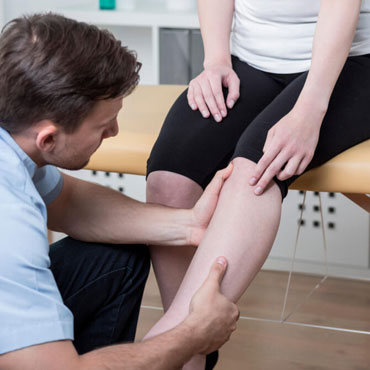
Key Aspects of Joint Replacement Rehab:
- Pain and Swelling Management: Uses ice therapy, electrotherapy, and medication guidance to reduce post-surgical pain and inflammation.
- Early Mobilization: Encourages controlled movement soon after surgery to prevent stiffness and complications like blood clots.
- Muscle Strengthening Exercises: Focuses on rebuilding muscle strength around the replaced joint to restore stability and function.
- Range of Motion (ROM) Exercises: Helps improve flexibility and prevent joint stiffness through guided movements and stretching.
- Balance and Coordination Training: Enhances stability to prevent falls and ensure smooth, pain-free movement.
- Gait Training: Assists in walking with or without assistive devices (walker, cane) to regain proper walking patterns.
- Functional Rehabilitation: Includes exercises that mimic daily activities, such as climbing stairs and sitting/standing, to restore independence.
- Posture and Ergonomic Guidance: Educates on proper body mechanics to avoid strain on the replaced joint and ensure long-term success.
- Gradual Return to Activities: Helps patients safely transition back to work, sports, and daily life with modified movements and precautions.
Joint replacement rehab plays a crucial role in achieving a full recovery, enhancing mobility, and ensuring long-term success after surgery.