
Parkinson
Parkinson's physiotherapy focuses on helping individuals with Parkinson’s disease maintain or improve their mobility, balance, and overall functional ability. The goal is to reduce the impact of physical symptoms and help patients live independently for as long as possible.
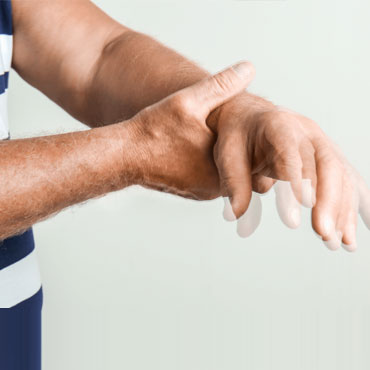
Key Aspects of Parkinson’s Physiotherapy:
- Comprehensive Assessment: Detailed evaluation of mobility, balance, posture, and gait. Identifies challenges such as tremors, stiffness, and slowness in movement.
- Improving Balance and Coordination: Balance training exercises to reduce the risk of falls. Coordination exercises to improve movement patterns and stability.
- Strengthening & Flexibility Exercises:
Strengthens key muscle groups (especially core, legs, and arms) to enhance mobility.
Focuses on improving flexibility to combat muscle rigidity and stiffness. - Gait Training:
Helps improve walking patterns and reduce freezing episodes.
Uses techniques such as big steps, marching, or using external cues (e.g., auditory or visual). - Posture Training:
Focuses on improving upright posture and avoiding the forward stooped position common in Parkinson’s.
Strengthens back and neck muscles to support proper alignment. - Movement Retraining:
Helps patients overcome motor impairments like bradykinesia (slowness of movement) and dyskinesia (involuntary movements).
Incorporates task-specific training to enhance daily activities like getting in and out of chairs, walking, and dressing. - Breathing Exercises:
Improves respiratory function and strengthens the muscles involved in breathing.
Helps patients manage speech and swallowing difficulties, often seen in advanced Parkinson's. - Fall Prevention & Safety:
Teaches techniques to reduce the risk of falls, such as proper turning, weight shifting, and safe transfer techniques.
May recommend home modifications to ensure a safer living environment. - Cognitive and Emotional Support:
Some therapy focuses on mental exercises to improve cognitive function and reduce anxiety.
Promotes social interaction to enhance overall emotional well-being. - Support for Caregivers:
Provides education for caregivers on how to assist with mobility, exercises, and daily tasks.
Recommends safety measures and techniques to help patients perform daily activities.
Parkinson's physiotherapy can significantly improve the quality of life for patients by focusing on mobility, reducing symptoms, and improving independence, thus helping them manage day-to-day activities with ease.